How Agentic AI Is Quietly Redesigning The Way Students Learn
Why traditional learning no longer works?
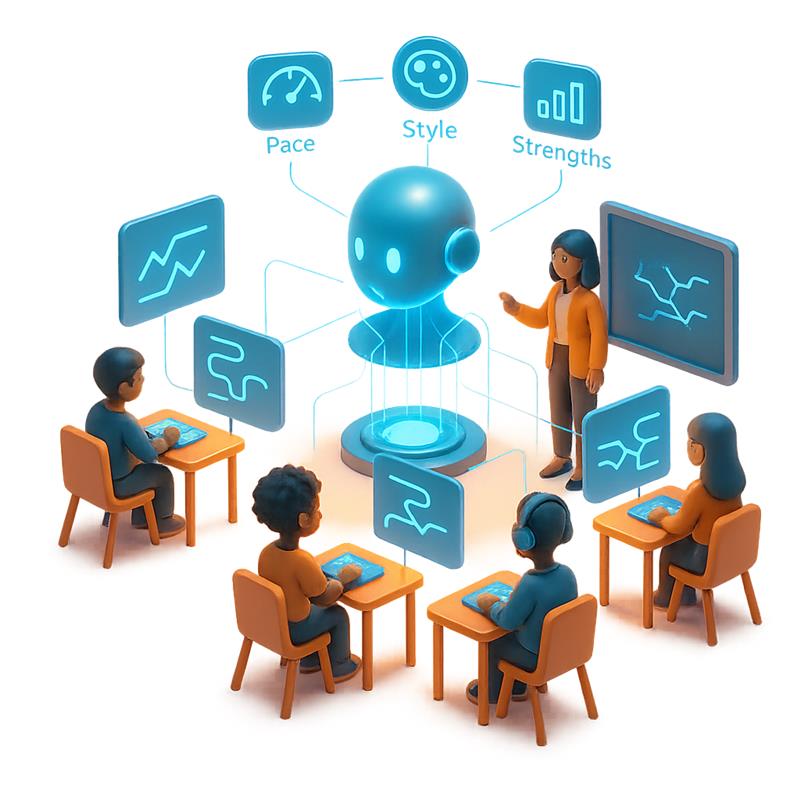
Education is changing rapidly. Traditional teaching methods, where every learner follows the same path, no longer meet the needs of today's students. Learners now expect lessons that match their pace, style, and strengths. Agentic AI is playing a major role in this shift by helping education become more responsive, flexible, and personalised.
Today, classrooms both physical and digital need to adapt in real time as learners progress. Teachers are increasingly trusting on data-driven insights to understand where each student struggles or excels. Agentic AI plays a key role in this shift by analysing learning patterns, spotting gaps early, and guiding students with tailored recommendations. This means, learning is becoming more engaging, efficient, and tailored to meet each person’s unique needs.
Why traditional learning no longer works?
Education is changing rapidly. Traditional teaching methods, where every learner follows the same path, no longer meet the needs of today's students. Learners now expect lessons that match their pace, style, and strengths. Agentic AI is playing a major role in this shift by helping education become more responsive, flexible, and personalised.
Today, classrooms both physical and digital need to adapt in real time as learners progress. Teachers are increasingly trusting on data-driven insights to understand where each student struggles or excels. Agentic AI plays a key role in this shift by analysing learning patterns, spotting gaps early, and guiding students with tailored recommendations. This means, learning is becoming more engaging, efficient, and tailored to meet each person’s unique needs.
How agentic AI helps students learn better
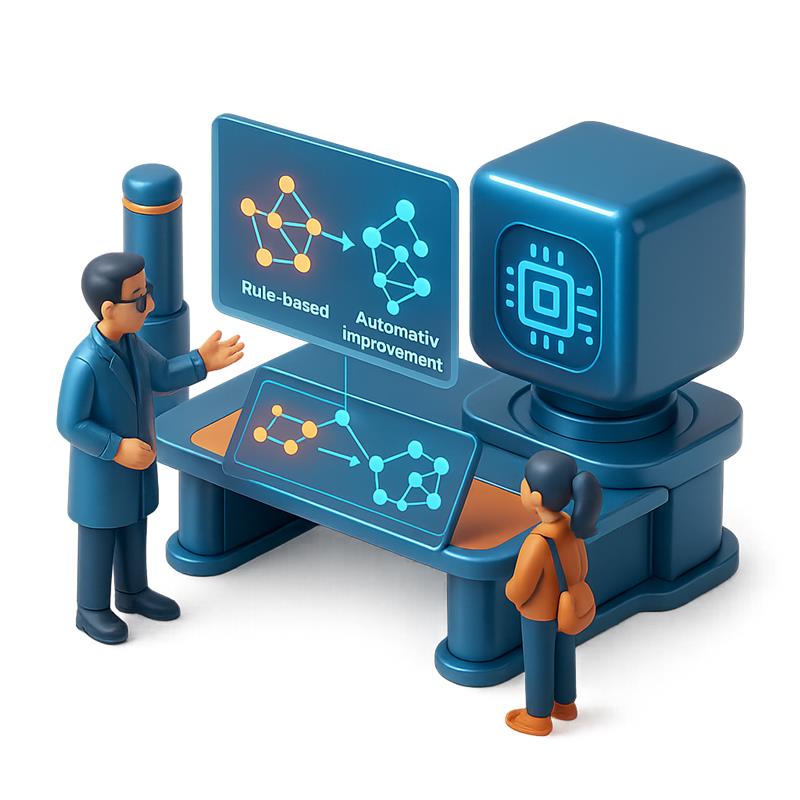
Agentic AI has evolved from early rule-based systems into advanced technology that can learn, make decisions, and adapt on its own. Instead of simply following instructions, it understands context, improves over time, and works alongside teachers. This makes it ideal for creating learning paths that adjust to each student's needs.
How does Agentic AI know when a student is struggling or ready to move ahead?
Agentic AI keeps an eye on patterns like recurring mistakes, the time spent on tasks, and how well a student manages different levels of difficulty. With this information, it automatically adjusts the learning pace, slowing down for better understanding or speeding up when the learner feels confident.
How agentic AI helps students learn better
Agentic AI has evolved from early rule-based systems into advanced technology that can learn, make decisions, and adapt on its own. Instead of simply following instructions, it understands context, improves over time, and works alongside teachers. This makes it ideal for creating learning paths that adjust to each student's needs.
Agentic AI keeps an eye on patterns like recurring mistakes, the time spent on tasks, and how well a student manages different levels of difficulty. With this information, it automatically adjusts the learning pace, slowing down for better understanding or speeding up when the learner feels confident.
What makes this technology work
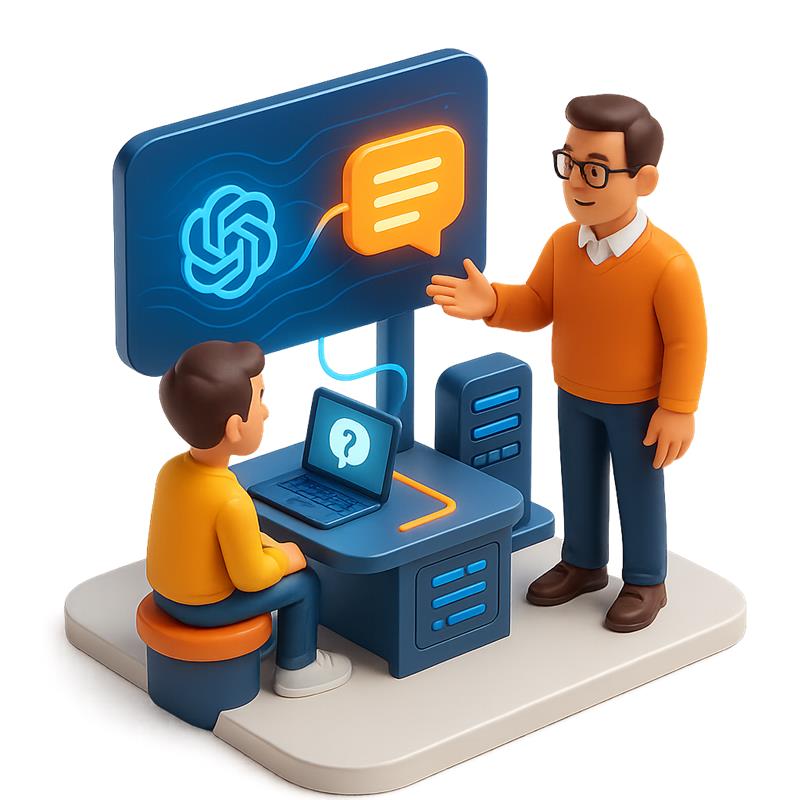
Agentic AI in education uses advanced technologies like Large Language Models such as ChatGPT and Claude. They understand questions, explain topics in simple ways, and personalize learning for every student. Studies show LLMs improve accuracy, understanding, and overall engagement.
Reinforcement Learning helps AI find the most effective teaching strategies by learning from trial and feedback. RL platforms recommend the best lesson sequence, reduce learning time, and improve retention.
System architecture is equally important. Multi-agent models quickly adapt to each student by tracking performance, adjusting difficulty, and monitoring engagement. With multimodal data like text, voice, and eye movement, AI understands learner behaviour deeply and responds in real time.
What makes this technology work
Agentic AI in education uses advanced technologies like Large Language Models such as ChatGPT and Claude. They understand questions, explain topics in simple ways, and personalize learning for every student. Studies show LLMs improve accuracy, understanding, and overall engagement.
Reinforcement Learning helps AI find the most effective teaching strategies by learning from trial and feedback. RL platforms recommend the best lesson sequence, reduce learning time, and improve retention.
System architecture is equally important. Multi-agent models quickly adapt to each student by tracking performance, adjusting difficulty, and monitoring engagement. With multimodal data like text, voice, and eye movement, AI understands learner behaviour deeply and responds in real time.
Can agentic AI personalize learning even when students have different styles or preferences?
Yes. With multimodal data text, voice, eye movement, and interaction patterns—the system understands how each student learns best. It then recommends explanations, activities, or lesson formats that match their individual learning style.
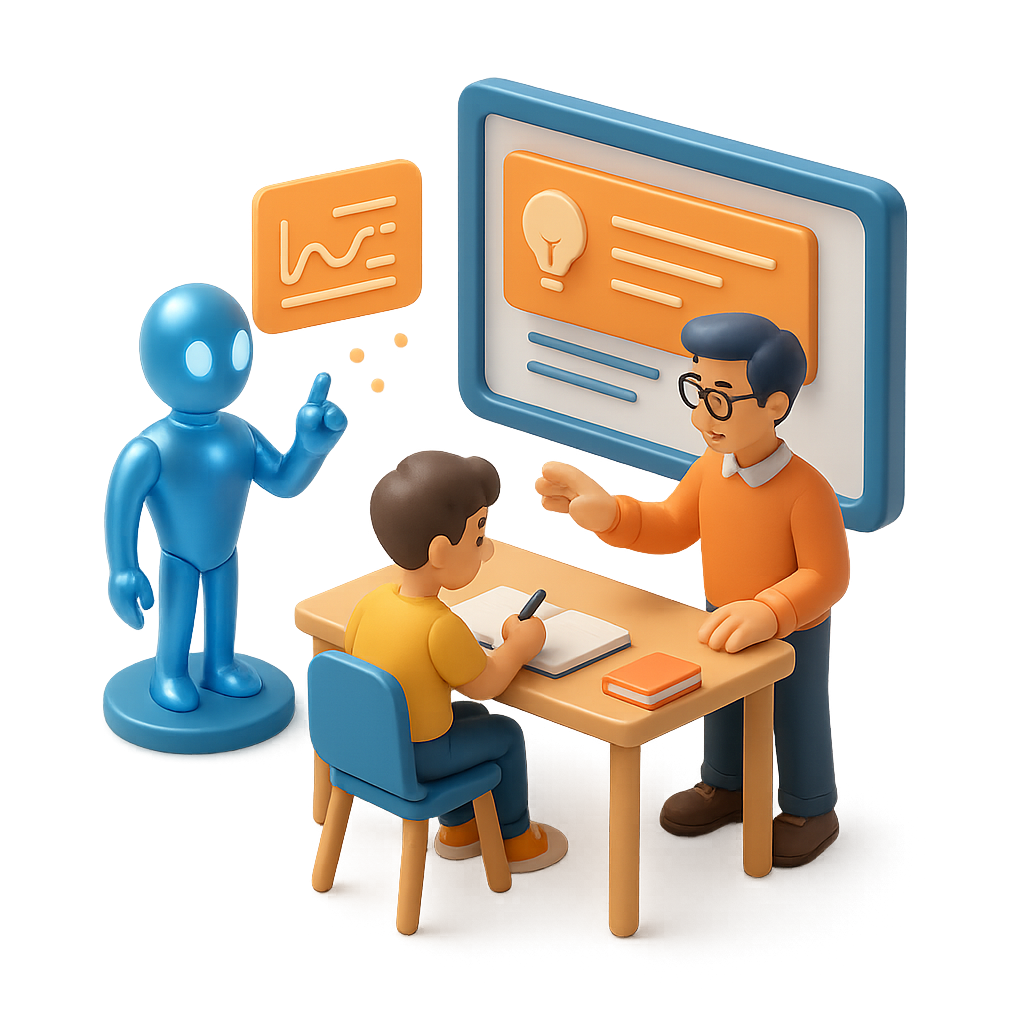
Challenges we should keep in mind
However, using AI in education also comes with challenges. Since these systems collect large amounts of learner data, privacy and ethical use become critical concerns. Institutions must also deal with practical issues like integrating AI tools into existing systems and ensuring teachers are comfortable using them. Despite these challenges, the benefits remain significant.
Agentic AI makes learning more personalised, faster, and more engaging. It helps students progress at their own pace and gives teachers insights they can use to guide every learner more effectively. Instead of forcing everyone into the same method, education becomes adaptive, natural, and enjoyable.
The future of learning with AI
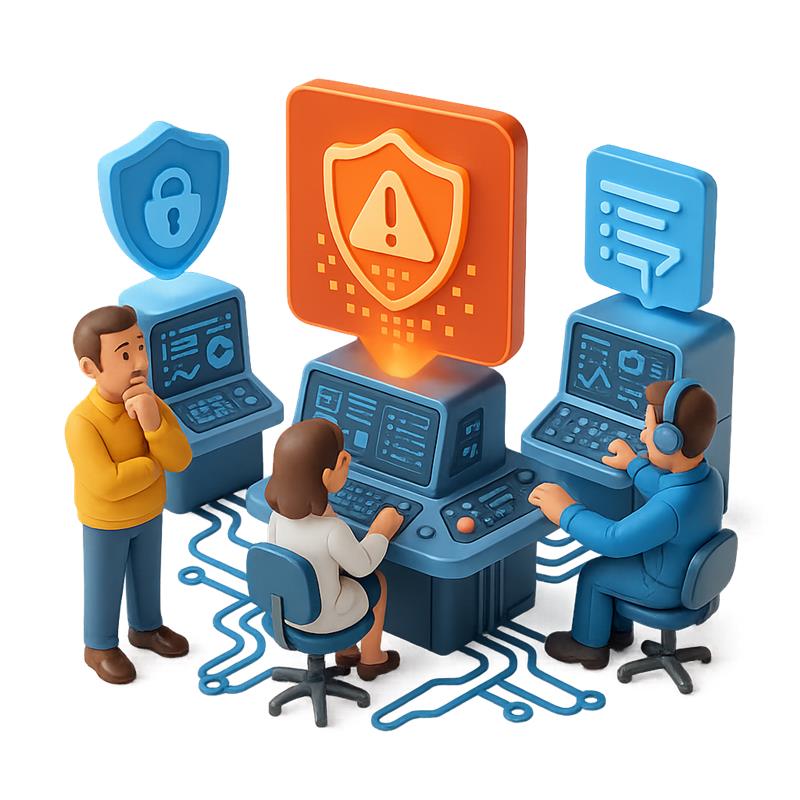
Looking ahead, the future of learning will be shaped by collaboration between teachers and AI. Educators will continue to provide emotional understanding, creativity, and guidance, while AI supports them with intelligent suggestions, predictions, and personalized pathways. Together, they create a learning environment where every student can succeed.
By blending human strengths with intelligent systems, Agentic AI is moving education towards a future where learning adapts to every individual and ensures no one is left behind.
Frequently Asked Questions

About the Author
Navith
Media Intelligence & Vision Analytics
Driving customer growth through intelligent, data-driven CRM automation.