The Rise of Autonomous Scheduling in Construction with AI Agents
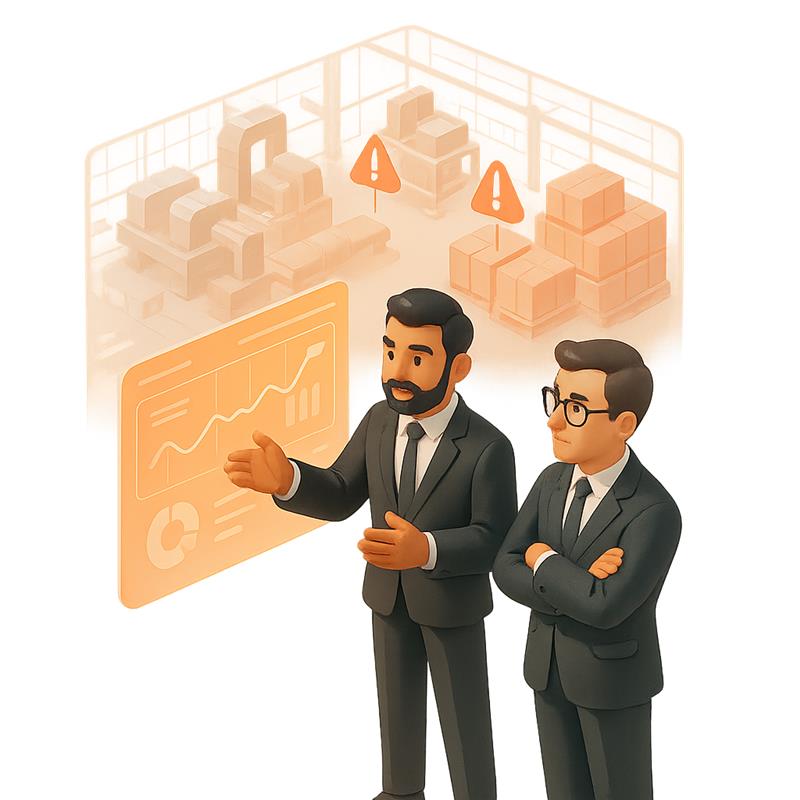
Construction projects are some of the most complex operations to manage. They involve multiple contractors, changing site conditions, material dependencies, equipment availability, and strict deadlines. A small delay like a late delivery or sudden weather change can disrupt the entire timeline. Traditional project management tools rely on static schedules and manual updates, which often cannot keep up with real-world changes happening on-site.
The shift to intelligent construction
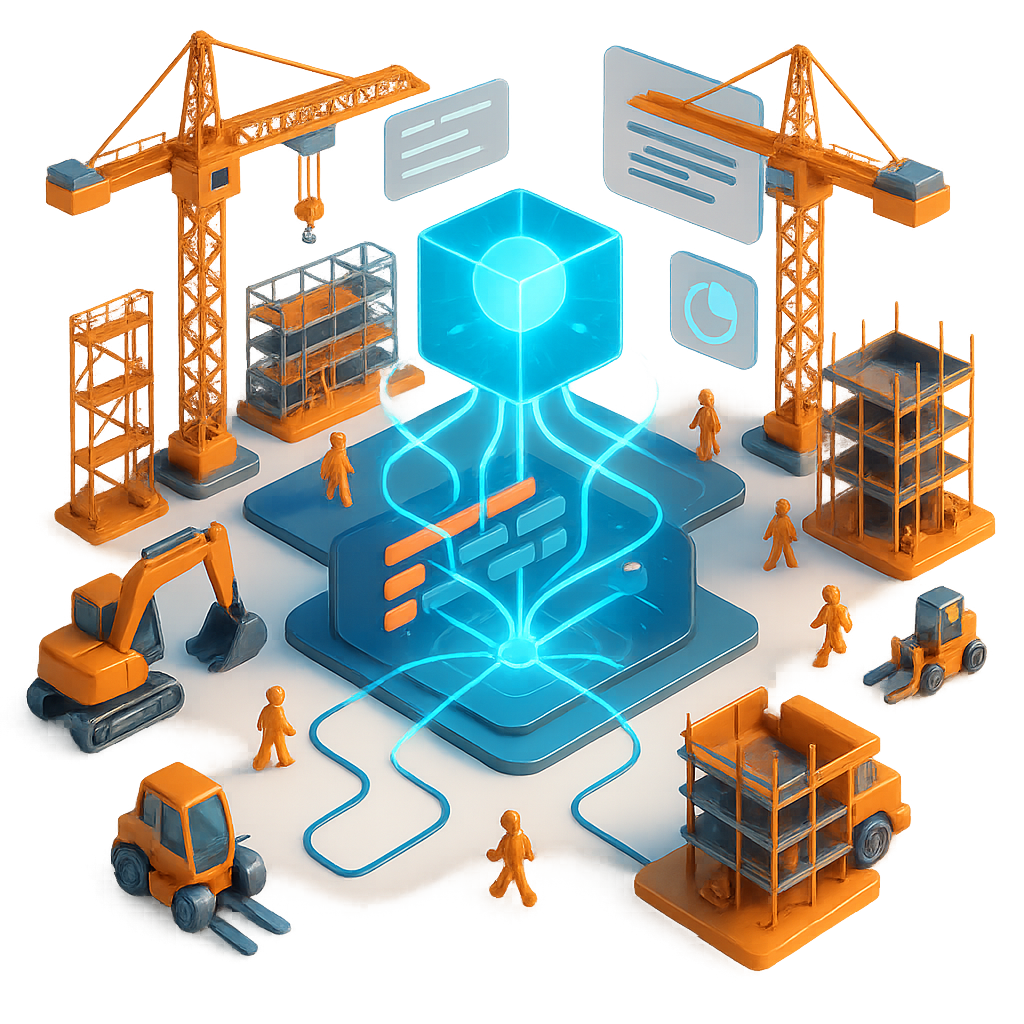
AI agents are now transforming how construction projects are planned and executed. Instead of reacting to issues after they occur, these intelligent systems continuously observe what's happening across the project, predict potential risks, and adjust schedules automatically. They act like digital project coordinators, constantly monitoring progress and making real-time decisions that keep work moving smoothly.
Construction environments shift throughout the day. Workers move between tasks, materials arrive at different times, and equipment availability is never guaranteed. AI agents track all these variables using data from sensors, weather feeds, telematics, and project logs. When they notice a deviation from the plan like a task falling behind, a delivery delay, or unexpected downtime they reorganize the schedule instantly. This means tasks get reassigned, sequences get adjusted, and resources are redistributed without waiting for manual intervention.
The shift to intelligent construction
AI agents are now transforming how construction projects are planned and executed. Instead of reacting to issues after they occur, these intelligent systems continuously observe what's happening across the project, predict potential risks, and adjust schedules automatically. They act like digital project coordinators, constantly monitoring progress and making real-time decisions that keep work moving smoothly.
Construction environments shift throughout the day. Workers move between tasks, materials arrive at different times, and equipment availability is never guaranteed. AI agents track all these variables using data from sensors, weather feeds, telematics, and project logs. When they notice a deviation from the plan like a task falling behind, a delivery delay, or unexpected downtime they reorganize the schedule instantly. This means tasks get reassigned, sequences get adjusted, and resources are redistributed without waiting for manual intervention.
From surprises to readiness
One of the biggest advantages of AI agents is their ability to predict issues early. These systems study past project data, crew performance patterns, and environmental conditions to generate accurate forecasts.
They can warn managers about likely delays, equipment failures, or productivity drops well before they happen. This gives teams more time to take preventive action, reducing costly surprises.

From surprises to readiness
One of the biggest advantages of AI agents is their ability to predict issues early. These systems study past project data, crew performance patterns, and environmental conditions to generate accurate forecasts.
They can warn managers about likely delays, equipment failures, or productivity drops well before they happen. This gives teams more time to take preventive action, reducing costly surprises.
The new construction workflow
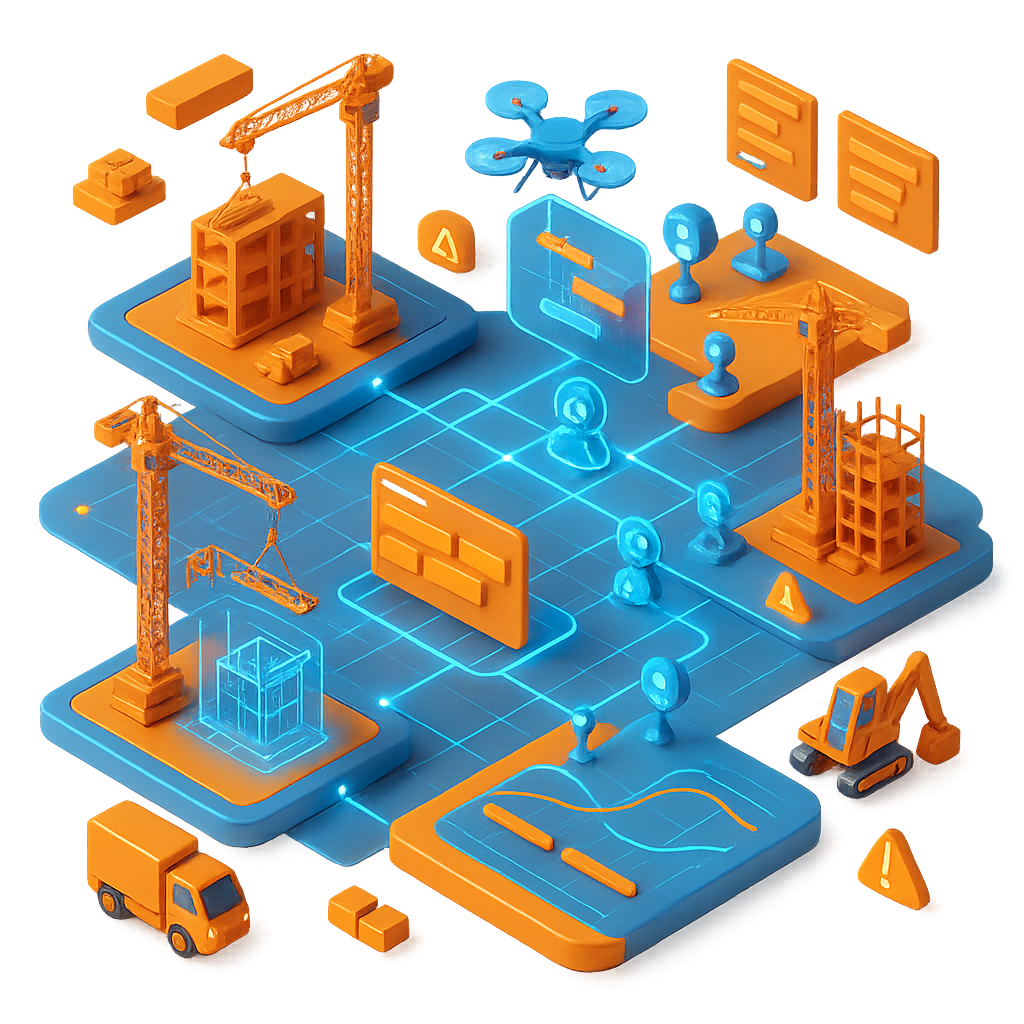
AI is transforming the construction industry by helping teams make the most of their labor, machinery, and materials. It does this by analyzing what's available and adjusting schedules on the fly. If deliveries are delayed, it can quickly shuffle tasks around to keep everything on track and ensure workloads are balanced across different sites.
Moreover, AI enhances safety by spotting potential risks early through monitoring activities and equipment. With the rise of drone inspections, digital models, and automated coordination, the construction field is heading towards a more connected and proactive future.
The new construction workflow
AI is transforming the construction industry by helping teams make the most of their labor, machinery, and materials. It does this by analyzing what's available and adjusting schedules on the fly. If deliveries are delayed, it can quickly shuffle tasks around to keep everything on track and ensure workloads are balanced across different sites.
Moreover, AI enhances safety by spotting potential risks early through monitoring activities and equipment. With the rise of drone inspections, digital models, and automated coordination, the construction field is heading towards a more connected and proactive future.
The real partnership
Even with advanced automation, AI agents do not replace human decision-makers. They enhance them.
Project managers still define priorities, approve changes, and make judgment calls. AI simply handles the complex calculations, predictions, and rapid adjustments that humans cannot perform continuously.
This partnership creates more predictable timelines, fewer delays, and better-managed budgets.
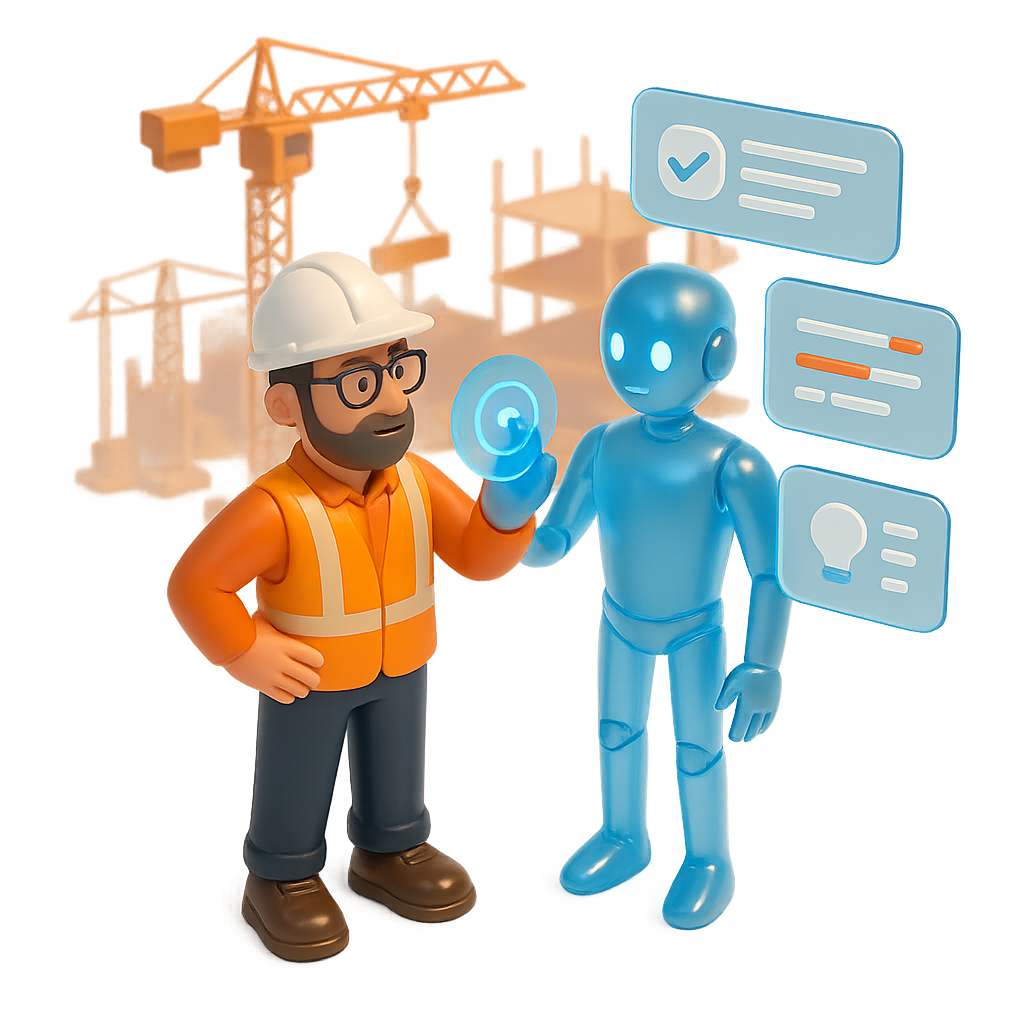
Even with advanced automation, AI agents do not replace human decision-makers. They enhance them.
Project managers still define priorities, approve changes, and make judgment calls. AI simply handles the complex calculations, predictions, and rapid adjustments that humans cannot perform continuously.
This partnership creates more predictable timelines, fewer delays, and better-managed budgets.
Why construction teams should embrace AI agents now?
In construction, inefficiencies can quickly turn into increased costs and prolonged schedules. AI agents offer a direct solution by helping teams adapt instantly, manage resources smoothly, and avoid risks before they grow. They provide real-time visibility, accurate forecasting, and automatic schedule updates that keep projects aligned with actual site conditions.
Companies that adopt AI agents gain:
- Faster reaction to unexpected changes
- Smarter resource allocation
- Improved safety and compliance
- Reduced downtime and rework
- More reliable project timelines
Most importantly, these systems learn over time. Each project improves the AI's understanding of delays, performance patterns, and risks, making the next project even more efficient.
The future of construction is dynamic, data-driven, and proactive. With AI agents supporting day-to-day decisions, project teams can deliver with greater confidence, speed, and stability. In a demanding industry where every minute counts, AI agents help ensure projects stay on track and finish stronger.
Frequently Asked Questions
They integrate data from multiple projects, compare progress, and reallocate shared resources across locations automatically.
These metrics are displayed in a dashboard allowing managers to see improvements such as X% percentage of increase in on-time completion, X% of drop in ideal labour hours.
When conflict occurs, the system identifies overlap, predict potential delays, and reschedules tasks automatically to avoid ideal time and workplace congestion.

About the Author
Navith
Media Intelligence & Vision Analytics
Driving customer growth through intelligent, data-driven CRM automation.