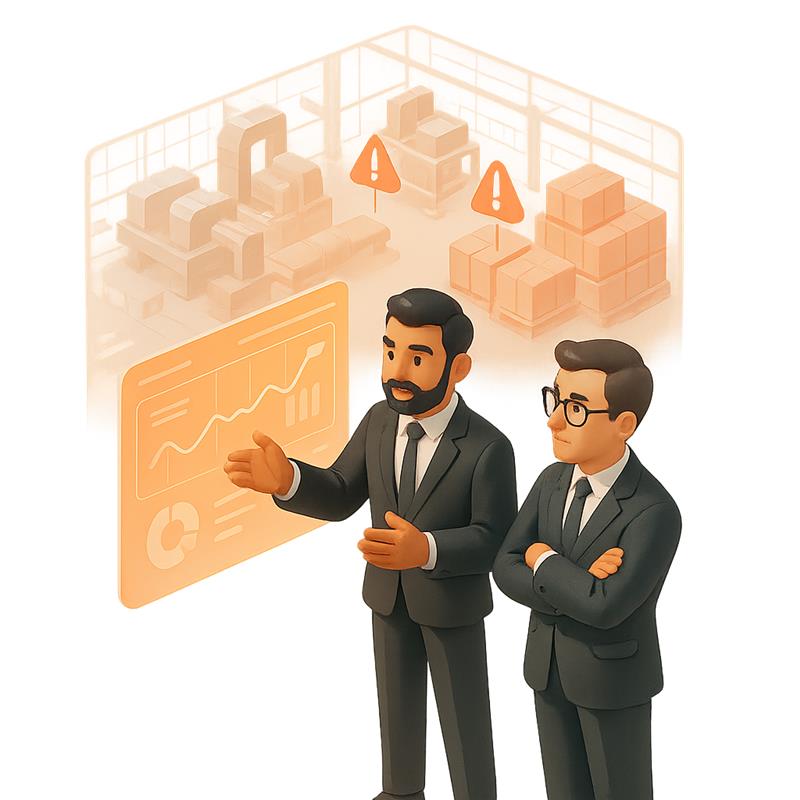
How AI Agents Improve Real-Time Route Optimization & Scheduling in Logistics
Logistics has always been a fast-moving industry, where delays, changing road conditions, and last-minute requests make planning difficult. Even the best schedules can break when traffic builds up, weather shifts, or vehicles face unexpected issues. What makes this harder is that most logistics systems rely on fixed plans that don't adjust quickly enough when real-world situations change.
This is where AI agents are now becoming a game-changer.
They don't just process data, they observe, predict, and act in real time. From adjusting delivery routes to balancing workloads across a fleet, AI agents help logistics teams respond faster and operate more efficiently. Instead of reacting to problems after they happen, companies can now prevent delays before they start.
Logistics has always been a fast-moving industry, where delays, changing road conditions, and last-minute requests make planning difficult. Even the best schedules can break when traffic builds up, weather shifts, or vehicles face unexpected issues. What makes this harder is that most logistics systems rely on fixed plans that don't adjust quickly enough when real-world situations change.
This is where AI agents are now becoming a game-changer.
They don't just process data, they observe, predict, and act in real time. From adjusting delivery routes to balancing workloads across a fleet, AI agents help logistics teams respond faster and operate more efficiently. Instead of reacting to problems after they happen, companies can now prevent delays before they start.
AI agents & transformation

Modern logistics works like a living network. Trucks move, orders change, road conditions shift, and customers update delivery windows. Keeping everything aligned manually is nearly impossible. AI agents help by constantly analyzing what's happening on the road, inside the warehouse, and across the fleet then making adjustments the moment something changes.
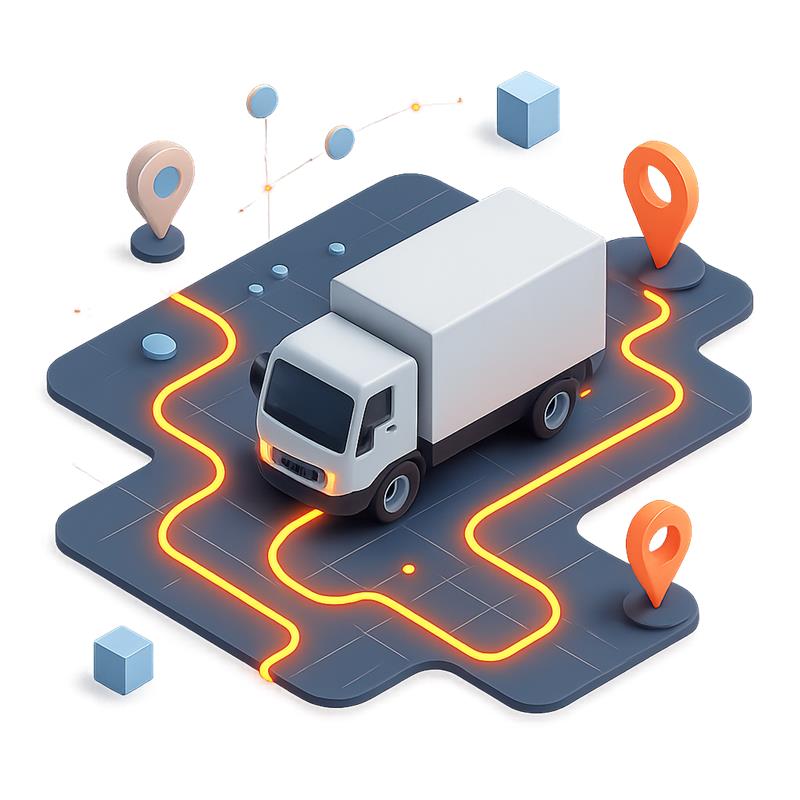
AI agents continuously scan traffic, weather updates, sensor readings, and delivery requests to pick the best routes at any moment. If a road gets blocked or traffic spikes, new routes are calculated instantly to keep deliveries on schedule while reducing fuel costs.
It also becomes smarter in scheduling. Instead of relying on static plans, AI agents automatically reshuffle assignments when something unexpected happens, whether it's a sudden breakdown, a delayed shipment, or a new priority delivery. They can switch tasks between drivers, reorder stops, or redirect vehicles, ensuring the day's plan stays efficient even when the situation changes.
Behind all of this is a combination of predictive analytics, machine learning, and IoT data. AI agents study past delivery patterns, vehicle behavior, order volumes, and operational trends to anticipate issues before they happen. If a vehicle shows early signs of wear, the system triggers maintenance before a breakdown interrupts delivery. Drivers face less downtime, and the fleet operates more smoothly.
Despite this automation, human teams remain in control. Dispatchers set goals and priorities, while AI agents handle the heavy data processing and instant decision-making. This teamwork makes operations faster and reduces errors, while giving staff more time to focus on customer updates and exceptions.
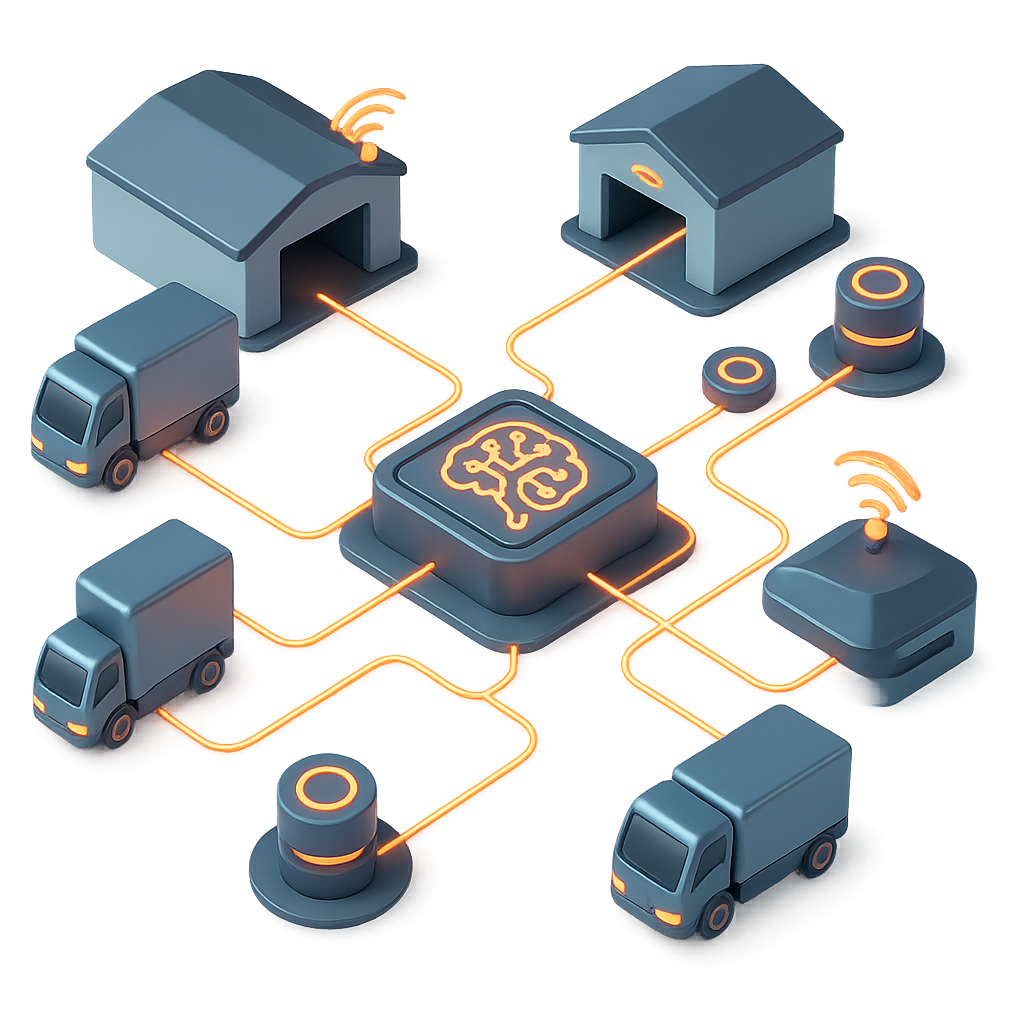
As logistics continues to evolve, AI agents are shaping a future where trucks, warehouses, and suppliers communicate automatically. A delay in one area triggers adjustments across the entire network, updating schedules, recalculating ETA's, notifying customers, and reorganizing tasks in seconds. This level of responsiveness simply was not possible before.

Across all these improvements, one thing is clear: AI agents are not replacing people — they are giving logistics teams the tools to work smarter, deliver faster, and manage growing demand with confidence.
This is the real power of Agentic AI in logistics — "Turning unpredictability into efficiency".
Frequently Asked Questions

About the Author
Navith
Media Intelligence & Vision Analytics
Driving customer growth through intelligent, data-driven CRM automation.